

The Leonardo Patent That Turns Your Devices Into a Location Fingerprint and Forecasts Where You'll Go Next
A defense contractor already built a system that reads the devices in your pockets as you drive past a camera. Then it patented something worse: finding you with no camera at all.
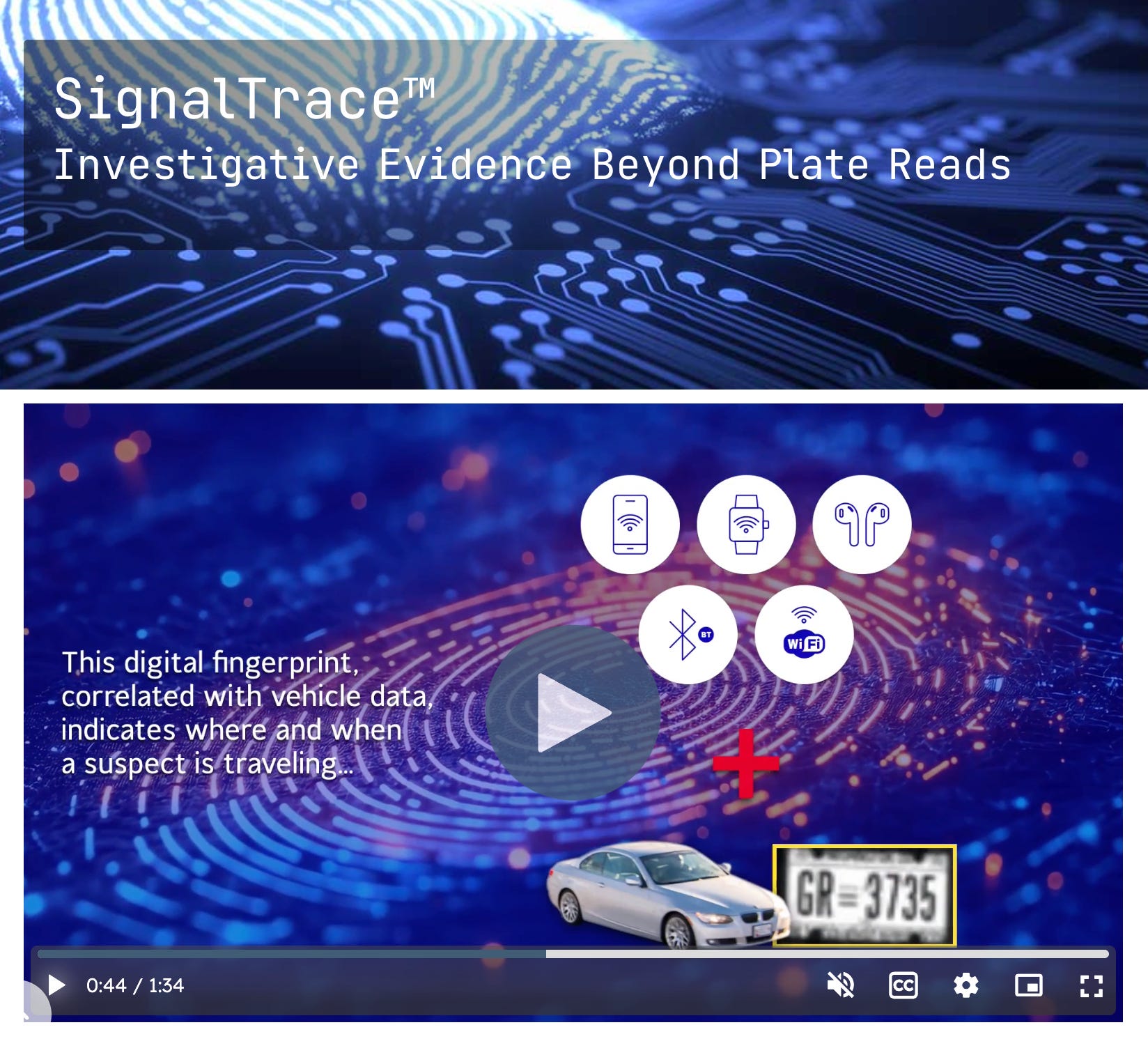
The patent is US 12,236,780 B2, “Systems and Methods for Electronic Signature Tracking and Analysis.” It was granted on February 25, 2025, to Leonardo US Cyber and Security Solutions — the American arm of Leonardo, the Italian defense conglomerate. It is the second patent in a family behind a product called ELSAG SignalTrace. And the specification describes, in the company’s own filing, two striking capabilities.
The first: once the system has watched you a few times, it no longer needs the camera.
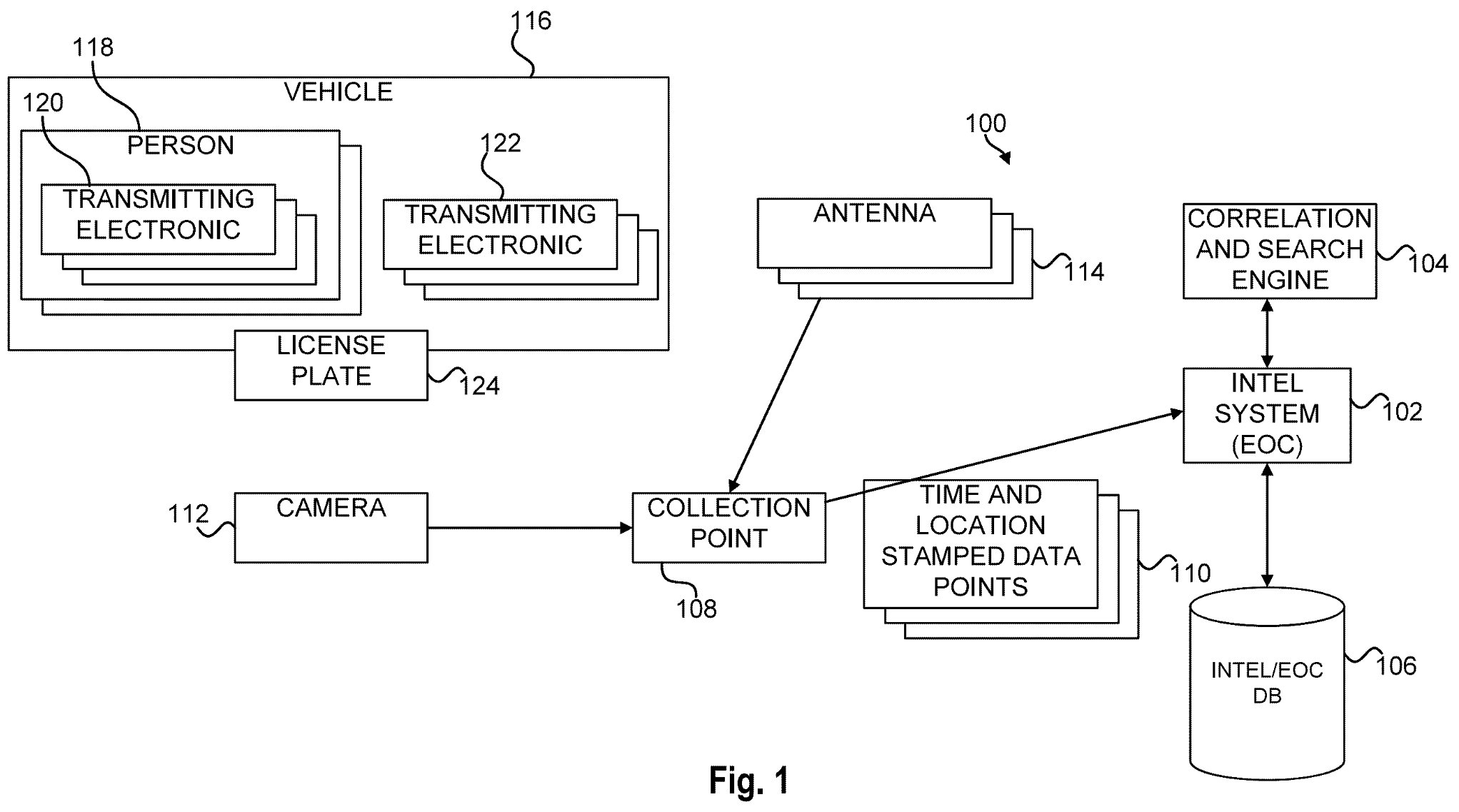
In the patent’s words, it “will be able to detect the likely presence of a vehicle and its associated license plate without visual information, e.g., without the use of a camera.” The license-plate reader is the training wheel. Once the model learns you, the reader can come off.
The second is the one that moves this out of surveillance and into something closer to prophecy. The system, the patent says, “allows an investigator to forecast the presence of a violation type, vehicle, or group of vehicles across time and location.”
Not where you were. Where you will be.
Nobody reported this patent. The story that ran last month — and it was a good one — was about the first patent, and the product it powers.
This is the part that came after.
The story so far
If the phrase “reads the devices in your pockets” doesn’t ring a bell, here is the reporting that should get you current, because other people did the hard first work.
In June, Joseph Cox at 404 Media obtained and published the product sheet for ELSAG SignalTrace and laid out what it is: a system that bolts onto the license-plate-reader cameras already blanketing American roads and, instead of just reading your plate, it reads the radio signals your devices are constantly broadcasting. Alisa Valdes-Rodriguez, at her investigative newsletter The Pugilist, carried it forward — the earlier patent, the marketing push, the fact that police in states like New Mexico can already buy Leonardo’s gear off existing contracts. And Proton — the encrypted-email company — pulled Leonardo’s own brochure and product page into the light.
Here is what that brochure says, in Leonardo’s own words. SignalTrace builds what it calls a “unique, trackable ‘electronic fingerprint’” from the devices you carry. Its list of “Tracked Device Types” is not vague. It names key cards. Wearables — “watches, fitness trackers.” Wireless headphones. Your car’s tire-pressure sensors and infotainment system. And, in a detail that reads like satire until you sit with it, your pet’s microchip.
The company is careful to say it captures “only publicly broadcast device frequency activity” and does not read the contents of your messages. That is true, and it is beside the point. It doesn’t need your messages. It needs the constellation. As the brochure puts it, the system “recognizes vehicles by electronic fingerprint — even without a visible or correct plate.” Change your plate, remove your plate: the watch on your wrist and the sensors in your tires still say it’s you.
That was the June story: the plate reader had learned to track the person instead of the car.
What the second patent adds
Which brings us back to the patent nobody covered.
The first patent — US 11,941,716 B2, granted in March 2024 — is about collecting. Gather the device signatures, correlate them with the plate, timestamp the location, build the fingerprint. It is a surveillance system, and a bad one, but it is a system for recording the past. It answers the question was this person here.
The 2025 patent adds one word to the title — Analysis — and with it, a different question. Not was this person here but where is this person going. The forecasting language is right there in the filing. So is the no-camera capability: the system, once trained, can flag your “likely presence” with no visual confirmation at all. Put the two together and you have a system that can predict where a named individual will be, and register that they were there, without a single camera in the frame.
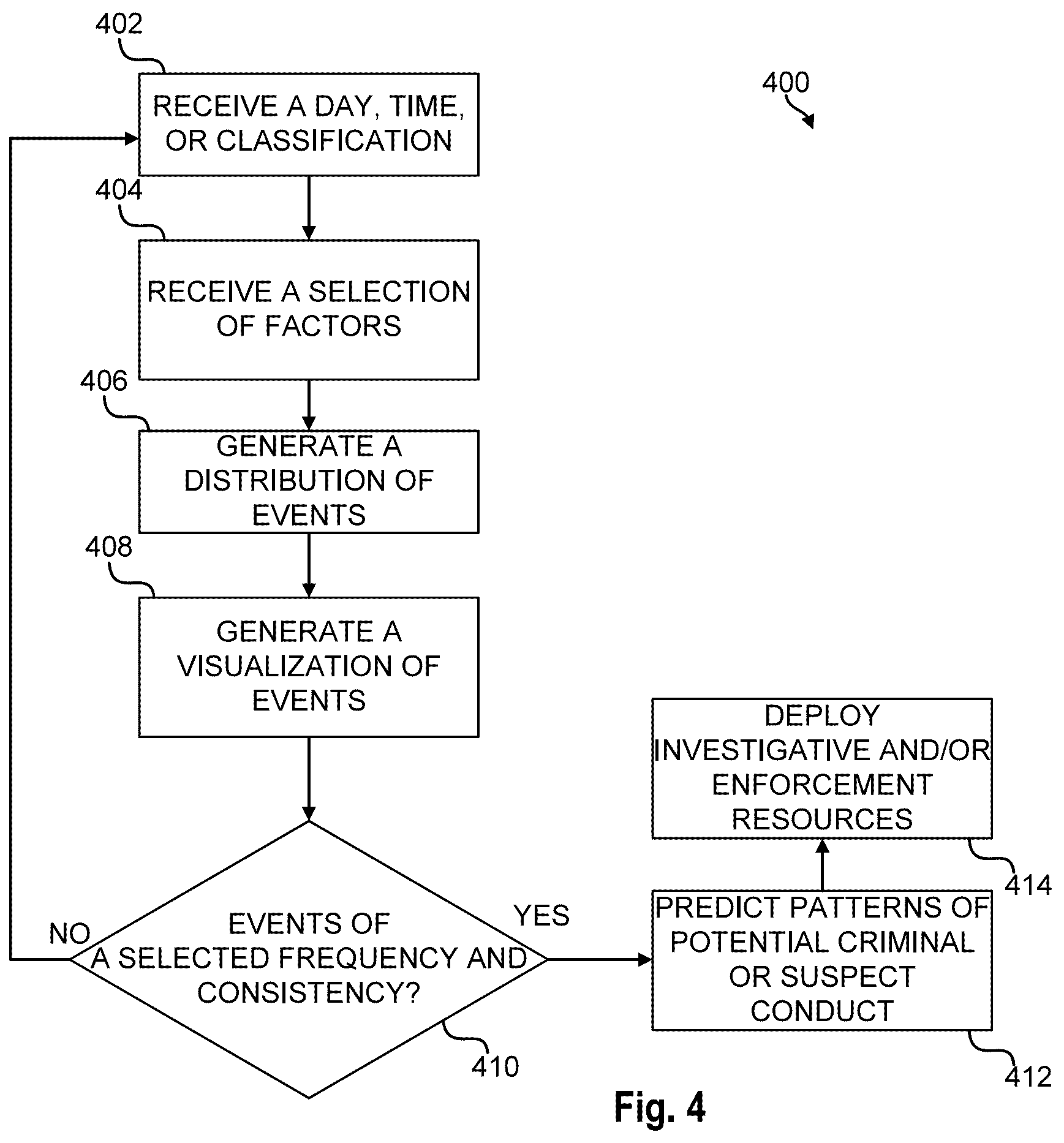
That is not a plate reader anymore. That is a pre-crime engine, patented and on the shelf. A continuation application filed in January 2025 is still pending, so the family is still growing.
What is known and what is unknown
No police department is known to be running SignalTrace. Not one. Every reporter who has touched this story — 404 Media, Valdes-Rodriguez, Proton — went looking for a deploying agency and found none.
What exists is a patent, a product brochure, and a sales pitch. The correct sentence is built, patented, and being sold — not necessarily being used on you.
And it cannot reliably track your phone. Modern phones rotate their Bluetooth and Wi-Fi identifiers precisely to defeat this kind of tracking, and for an updated iPhone or Android, that mostly works.
The devices that give you away are the dumb ones: the tire-pressure sensor broadcasting a fixed ID, the RFID chip in your work badge, the pet microchip under your dog’s skin. Those don’t rotate. Those don’t hide.
Neither caveat is comforting.
The system doesn’t need to crack your phone.
It needs your car, and your headphones, and your keychain.
Follow it home
One more fact, because it changes the shape of the thing. The company that holds these patents is controlled by the Italian government, which owns the single largest stake in Leonardo and appoints most of its board. Leonardo already sells its plate readers directly to American law enforcement — to Immigration and Customs Enforcement and the Drug Enforcement Administration, on the public record. So the pipeline for the person-tracking upgrade is not hypothetical. The buyer relationship exists. The product is built.
The patent that turns it predictive was granted a year and a half ago.
That is the whole architecture of the thing, and it is why the pet microchip stays with me. You did not consent to be tracked by your dog. You did not do anything wrong. You just exist in a world that is quietly wiring itself so that existing is enough — so that the signals leaking off the ordinary objects around you can be gathered, fingerprinted, and, now, run forward in time to guess your next move.
The cameras were always the least of it. The cameras were just teaching the machine what you look like from the inside of your own pocket. The patent says it doesn’t need them anymore.
Before we continue, one quick ask.
A single raid is a headline. The pipeline behind it is a story nobody’s funding.
At The RAMM I connect the dots that don’t fit in one article: the federal contracts, the 287(g) deals, the quiet real-estate moves, the county-by-county buildout of detention capacity.
The receipts:
4,776+ sourced events at CaptureCascade.org
1,988 counties with signals of detention expansion at detention-pipeline
129 community fights over detention capacity, tracked
This is self-funded. Subscriptions are the only thing that keeps it alive
I keep wondering when a new device will be able to read our minds…then convict us for those thoughts.