

Series Index: After the Arrest
A 7-part investigative series into the immigration detention system
On January 14, 2026, Victor Manuel Diaz died at Camp East Montana — a tent city in the Texas desert run by a company with 39 employees and a $1.24 billion contract. He’d been arrested in Minneapolis eight days earlier. His body was sent to a military hospital. No public autopsy has been released.
He was the third man to die at that facility in 44 days. The first death got a civilian autopsy — ruled homicide. After that, the bodies went somewhere else.
This series documents what happens after ICE operations disappear from the cameras: the transfers, the facilities, the deaths, the money, the contractors, and the systematic dismantling of every mechanism designed to let the public know.
The Series
Part 1: Autopsy Shopping
Three men died at Camp East Montana in 44 days. The first autopsy — performed by the El Paso County Medical Examiner — ruled homicide: asphyxia from neck and torso compression. After that ruling, the next body went to William Beaumont Army Medical Center. No public report has been released. The system learned from visibility — and rerouted around it.
Part 2: 1,500 Miles in 24 Hours
Victor Manuel Diaz was arrested in Minneapolis on January 6 and dead at Fort Bliss by January 14. In between: a transfer system that moved him 1,500 miles in hours, severing him from his lawyer, his family, and the jurisdiction that might have saved him. ICE ran 5,322 domestic shuffle flights in nine months. The transfer system doesn’t just move people — it makes them disappear.
Part 3: The Tent City and the Warehouse
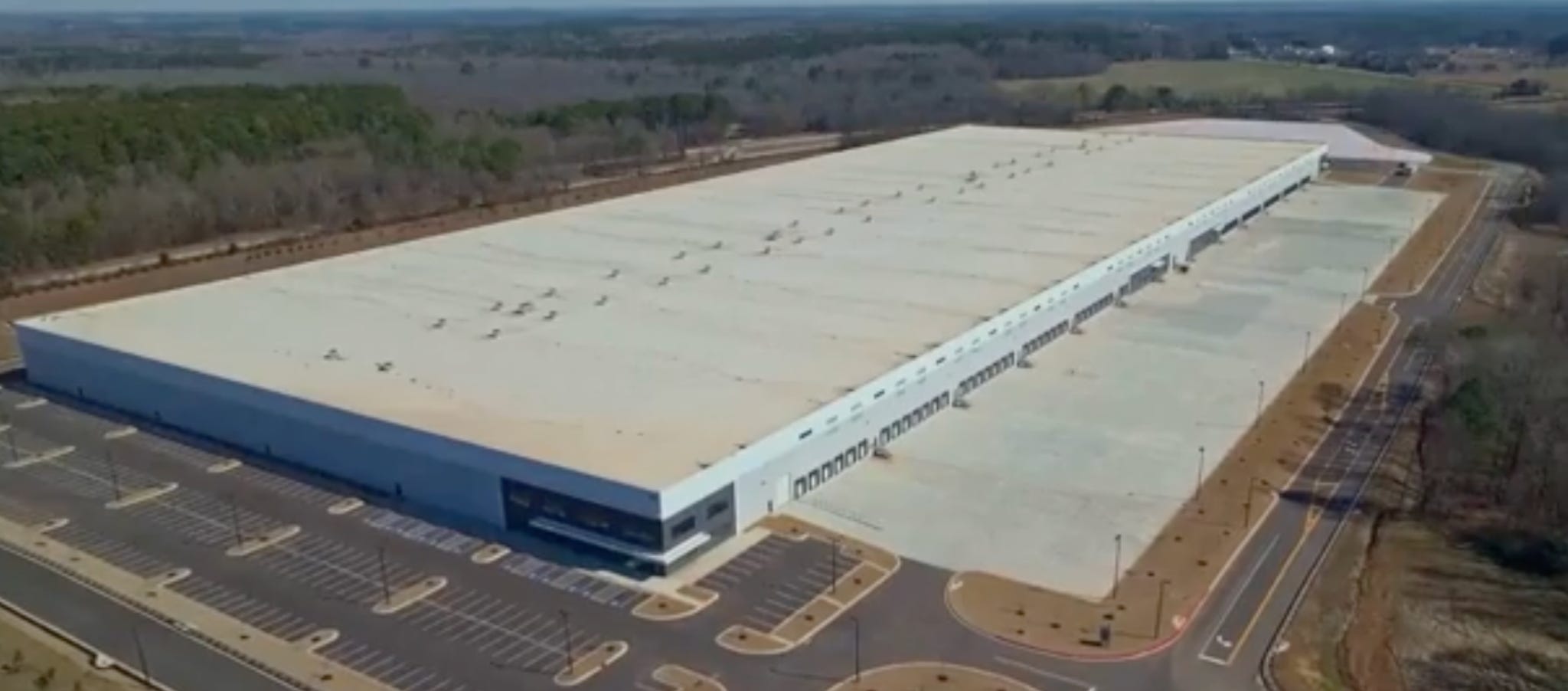
The United States is building detention infrastructure approaching 135,000 beds — tent cities on military bases, warehouse conversions in small towns, giga-jails designed for mass processing. Camp East Montana violated 60+ federal standards in its first 50 days. In Social Circle, Georgia, a town of 5,400 is fighting a 10,000-bed warehouse. The facilities are designed to hold people, not to be seen.
Part 4: The $165 Billion Machine
The One Big Beautiful Bill doesn’t just fund detention — it builds a fiscal machine. $165 billion for enforcement, paid for by cutting Medicaid, SNAP, and student loans. Detained people work for $1 a day. The system is designed to pay for itself with the people it captures. These aren’t metaphors. They are people reduced to line items.
Part 5: The Closed Loop
GEO Group monitors immigrants through ankle bracelets (BI Incorporated), hunts them when they miss check-ins (fugitive operations contracts), and detains them in its own facilities. One company spans the entire pipeline. Palantir provides the targeting system — software descended from a Pentagon program Congress killed for being too invasive. The revenue is denominated in people.
Part 6: The Darkness Is Infrastructure
The system didn’t fail at oversight. It was engineered to eliminate it. Congressional access blocked. Internal watchdogs furloughed. Ethics officials fired. Court orders ignored 96 times in a single month. Autopsies rerouted to military hospitals. Witnesses targeted for deportation. Legal observers tracked by facial recognition. The darkness isn’t a gap — it’s architecture.
Part 7: Making It Visible
And yet we know. We know because journalists, lawyers, families, whistleblowers, and communities forced light into a system designed for darkness. This final installment documents how visibility happens — and what it costs. The El Paso County Medical Examiner who ruled a death homicide. The coalition that warned of imminent deaths and was proven right. The local reporters, the legal observers, the families who refused silence.
The Journalists Who Made This Visible
The facts in this series exist because people documented what the system was designed to hide. These are the journalists, outlets, and organizations whose work made this reporting possible — and whose continued work is essential.
Eyes on ICE — The most comprehensive public tracker of detention infrastructure. Aggregates SEC filings, real estate records, congressional testimony, and court documents to map the system’s scale. They documented the Acquisition Logistics contract before most national outlets noticed.
Jenn Budd / Borderland Talk — Former Border Patrol agent (1995–2001) who provides the institutional memory outsiders can’t get from documents alone. When the Pretti shooting happened, her years of documenting CBP culture explained why. Author of Against the Wall. (Bluesky)
El Paso Matters — The local outlet that documented all three Camp East Montana deaths, the autopsy switch to the Army hospital, and the facility conditions. Without them, the homicide ruling might never have reached the public record. (Bluesky)
Minnesota Reformer — Tracked the Minneapolis enforcement operations, the 96 court order violations, and the community response in real time. (Bluesky)
Sahan Journal — Documented the transfer-as-disappearance pattern, including the DACA recipient pulled from psychiatric care and sent 1,500 miles away. Covers immigrant communities in Minnesota with depth no national outlet matches. (Bluesky)
The Intercept — Broke the “Agitator chat” story: federal agents using facial recognition, license plate readers, and a Microsoft Teams channel to track legal observers to their homes. (Bluesky)
The Richmonder — Traced the $1.24 billion Camp East Montana contract to a single-family home in Henrico County, Virginia. Local journalism at its most essential. (Bluesky)
Bolts Magazine — Documented the community resistance — from Social Circle, Georgia to Maryland and New Mexico — that shows opposition to detention infrastructure crosses partisan lines. (Bluesky)
PBS NewsHour — Investigated the mystery surrounding the Acquisition Logistics contract and the company behind it. (Bluesky)
The Legal Organizations
Every habeas petition costs money. Every class action requires resources. Every court filing that documents what ICE denies depends on organizations with the capacity to litigate.
Democracy Forward — Filed multiple class-action lawsuits challenging warrantless arrests, blocked attorney access, and the gutting of immigration appeals. Their Aceituno v. USDHS case in North Carolina and their Minnesota access-to-counsel suit are creating the legal record. (Bluesky)
ACLU — Led the December 8, 2025 coalition letter warning of imminent deaths at Camp East Montana — 45 detainee interviews, 16 sworn declarations. Two more men died. The letter proves ICE knew. (Bluesky)
Human Rights Watch — Part of the Camp East Montana coalition; ongoing facility documentation. (Bluesky)
Texas Civil Rights Project — On the ground at Camp East Montana and across the Texas border region. (Bluesky)
Las Americas Immigrant Advocacy Center — Direct legal representation in El Paso. Part of the coalition that documented abuse before the second and third deaths.
Florence Project (FIRRP) — Free legal services to detained immigrants in Arizona. Every person they represent is a person the system can’t disappear.
United We Dream — Rapid response networks, know-your-rights training, community infrastructure. (Bluesky)
Essential Context
Timothy Snyder — Historian, author of On Tyranny. His framework for recognizing democratic erosion informs the analysis throughout this series. (Bluesky)
Andrea Pitzer — Author of One Long Night: A Global History of Concentration Camps. Her scholarship on how detention systems scale provides the historical lens for Part 3. (Bluesky)
The Timeline
The complete documented timeline — every event cited in this series with primary sources — is available at capturecascade.org/viewer
About This Project
I’m Mark Ramm, an investigative journalist covering institutional capture and democratic erosion. This series began as a question: what happens after the cameras leave? The arrests make the news. What follows — the transfers, the facilities, the deaths, the money — was designed to remain invisible.
Every claim is sourced. The documentation is public. The architecture is now visible.
The question is what we do with what’s now visible.
Subscribe to The RAMM for ongoing coverage.
Related Series
The Gamergate Army Gets Badges and Guns — The 8-part series documenting how we got here: a 22-year pipeline from a teenager’s anime forum to federal immigration enforcement.
Last updated: March 12, 2026